DE • 302-494-8179

Roof Inspection Checklist to Catch Problems Early
- 10+ Years Experience
- Honest, Reliable, Quality Work
- Family Owned and Operated
Contact Us Today for a Free Estimate
"*" indicates required fields
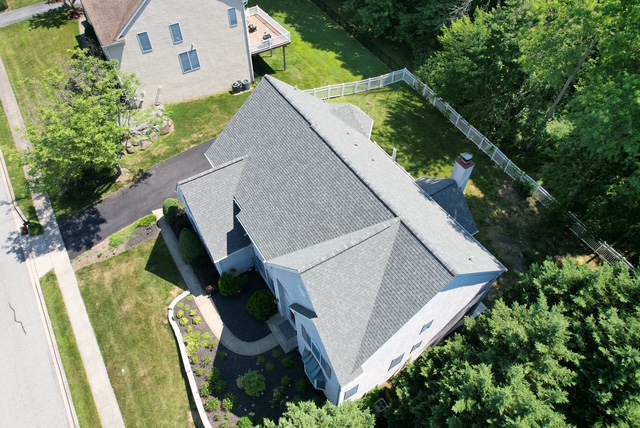
Seasonal shifts give homeowners a great opportunity to inspect their roofs, so our team built a simple roof inspection checklist to spot early signs of wear before they worsen. Each step focuses on practical details that keep homes protected, from checking shingle coverage to confirming proper drainage. This guide also explains why steady care makes a real difference in long-term roof performance. J.W. Tull provides seamless roof maintenance across Delaware, Pennsylvania, New Jersey, and Maryland, giving families a clear path to a stronger, more dependable roof. Our crews deliver steady workmanship, friendly service, and the kind of attention that keeps every home ready.
Why Regular Roof Inspections Matter
Regular roof inspections support strong, long-lasting roofing by catching early signs of stress before they affect the home. A steady check of shingles, flashing, drainage paths, and ventilation gives a clear view of how the roof handles daily wear. This approach also helps plan small fixes at the right time, keeping the structure performing well throughout every season. Homeowners gain confidence knowing their roof receives consistent attention backed by preventive roof maintenance that protects comfort, safety, and overall value.
How Small Roof Issues Turn Into Big Repairs
It’s not uncommon for small roofing issues to grow when left alone because everyday weather puts steady pressure on the surface. A loose shingle can shift enough to let water reach the underlayment. Minor gaps around flashing can widen as temperatures rise and fall. Even a small section of a clogged gutter can push water toward places it should never reach. Each of these conditions creates room for water to spread across larger areas. Regular attention keeps these early signs from turning into major repairs.
The Benefits of Catching Roof Damage Early
Early detection gives homeowners a stronger chance to protect their roofs from the strain that builds up over time. Seasonal roof maintenance creates a steady routine that highlights areas constantly exposed to weather, temperature shifts, and daily wear and tear. When the first signs of surface wear are addressed promptly, the roof performs better throughout each season. The list below highlights the benefits of catching roof damage early:
- Lower Repair Impact – Early detection limits the spread of wear across the roof. It also keeps repairs simple by addressing problems before they reach deeper layers.
- Better Moisture Control – Quick attention helps the surface stay sealed and strong. It also protects the underlayment from moisture that can weaken materials over time.
- Improved Energy Performance – Timely fixes help the roof maintain steady airflow and insulation. This supports comfortable indoor temperatures without straining heating and cooling systems.
- Extended Roof Lifespan – Early repairs reduce the stress placed on shingles and support structures. This gives the roof a better chance of reaching and exceeding its intended service life.

Roof Inspection Checklist: What to Look for
Seasonal changes place steady demands on every part of a roof, so our team follows a clear checklist to keep each component working at its best. This routine provides homeowners with a reliable view of surface conditions, drainage paths, and areas that experience the most stress throughout the year. Seasonal roof maintenance services focus on finding early signs of wear and guiding timely care before those tissues grow. The checklist also helps plan simple fixes that support long-term strength, better water control, and dependable performance. Below is a look at what’s included on our roof inspection checklist:
- Shingles and Roofing Materials – Our crew looks for shifting, curling, or missing shingles to confirm that the surface stays strong. This step also helps us spot early aging so that repairs can be planned at the right time.
- Flashing Around Chimneys, Vents, and Skylights – Each flashing point receives a close check for gaps that can develop from daily exposure. We confirm that the edges remain sealed to improve water control.
- Gutters and Drainage Systems – We review gutters for clogs, sagging, or improper flow to guide clear drainage. This keeps water from moving toward the structure, protecting the roof and siding.
- Roof Valleys and Edges – These areas receive extra attention because they manage heavier water flow. We ensure the materials sit firmly in place to maintain steady performance.
- Signs of Leaks or Water Damage – Our team checks ceilings, attic spaces, and roof surfaces for early moisture marks. This helps us locate small issues before they affect deeper layers of the home.
How Often Should You Schedule a Roof Inspection?
Homeowners should inspect their roofs at least once a year to prevent major leaks. Most experts suggest a spring visit to fix winter damage and a fall visit to prepare for snow. Older roofs need even more attention because shingles become brittle over time. Severe storms also require quick checks to find hidden cracks or missing pieces. Regular maintenance extends the life of your materials and saves money on expensive emergency repairs.
What Happens if Roof Problems Are Ignored
Roof problems grow when they go without attention, which puts pressure on the home and increases the cost of future repairs. Weak spots, loose materials, and hidden moisture often spread across larger areas as the roof remains exposed to heat, wind, and rain. Preventive roof maintenance helps reduce these risks by catching early signs of trouble before they affect the home’s framing, insulation, or interior surfaces. If you don’t manage to catch these issues early enough, here are a few signs of when to call a professional roofer:
- Visible Damage on the Roof Surface – Shifting shingles, cracked materials, or loose sections call for professional attention because they can reveal deeper problems. A trained roofer can evaluate the area and guide the correct repair plan.
- Water Marks Inside the Home – Stains on ceilings or walls signal moisture reaching the interior, which requires immediate review. A roofing professional can locate the entry point and stop the issue before it spreads.
- Irregular Drainage or Gutter Overflow – Water that pools or spills from gutters often points to blocked or misaligned drainage channels. A roofer can correct the flow and protect the roof from added strain.
- Signs of Aging or Wear on Older Roofs – Older materials weaken over time and may fail without warning. A professional inspection helps determine the level of care or replacement needed to maintain safety and performance.
Let Us Handle Your Preventive Roof Maintenance
Strong roofs start with steady care and a trusted partner. Our team follows a clear checklist to identify early signs of wear and keep every component working as designed. Schedule a visit that fits your home’s age, exposure, and goals, and we’ll guide smart repairs that save time and support long-term value. J.W. Tull treats your home like our own with friendly service and precise workmanship. Contact us today to book seasonal roof maintenance and get a clear plan for the year ahead.